The Evolution of Modern Data Platforms
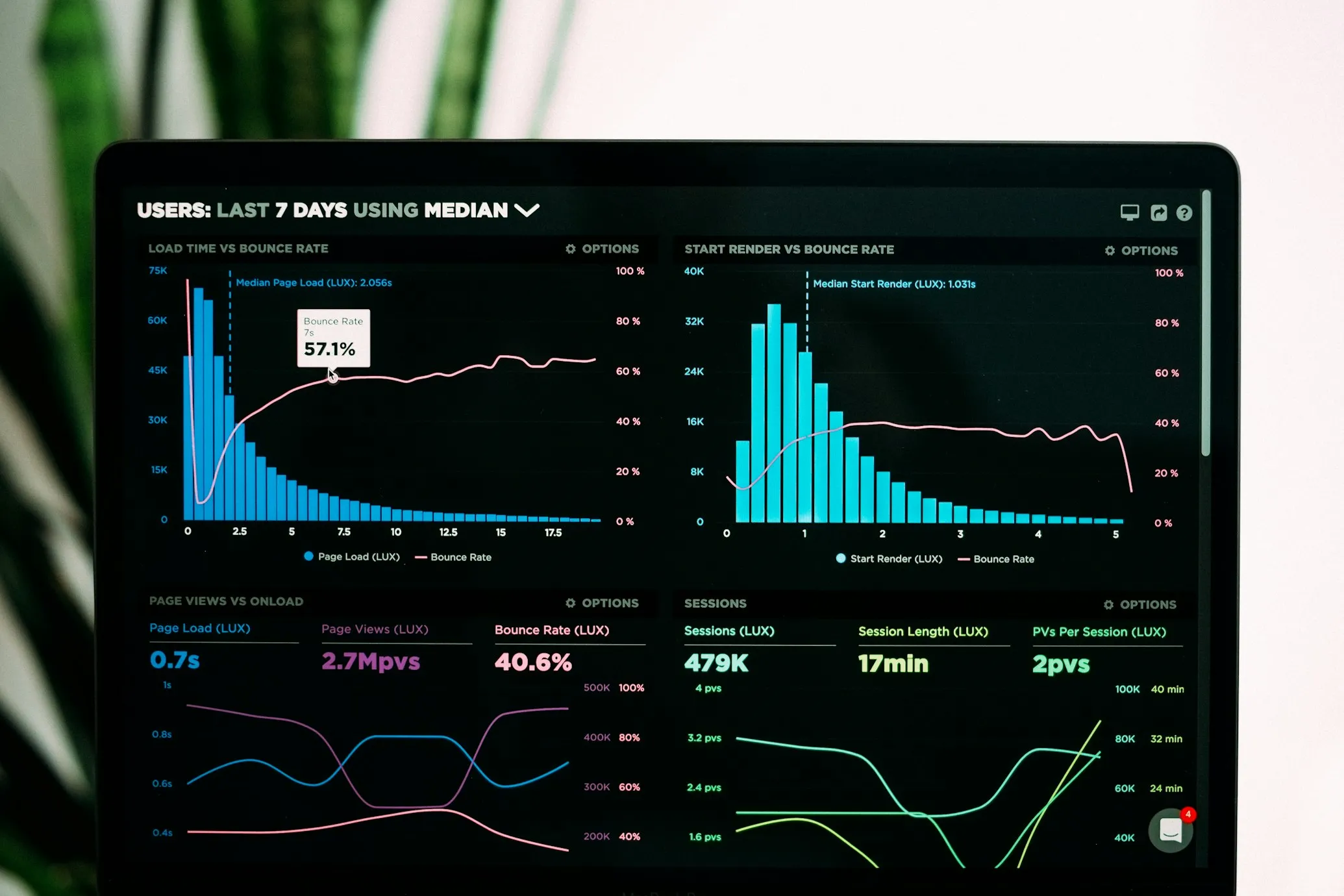
Illustration by NexusIT Creative Studio
Data has become one of the most valuable assets for organizations, but traditional data architectures struggle to keep up with volume, velocity, and variety.
Modern data platforms are designed to support real-time analytics, advanced AI workloads, and scalable data processing across the enterprise.
What’s Changing in Data Platforms
Cloud-native data platforms decouple storage and compute, enabling flexibility and cost efficiency while supporting diverse workloads.
- Real-time data ingestion and processing
- Scalable analytics and AI integration
- Improved data governance and security
Business Impact
Organizations gain faster insights, better forecasting, and improved decision-making by modernizing their data infrastructure.
These platforms also empower teams to experiment and innovate without being constrained by legacy systems.
Getting Started
A successful transition begins with clear data strategy, platform standardization, and strong governance to ensure long-term success.
About the author
Michael O’Connor, Data Platform Architect
Sarah is a lead strategist at NexusIT, focusing on the intersection of artificial intelligence and operational efficiency.