How Technology is Shaping the Future of Remote Work
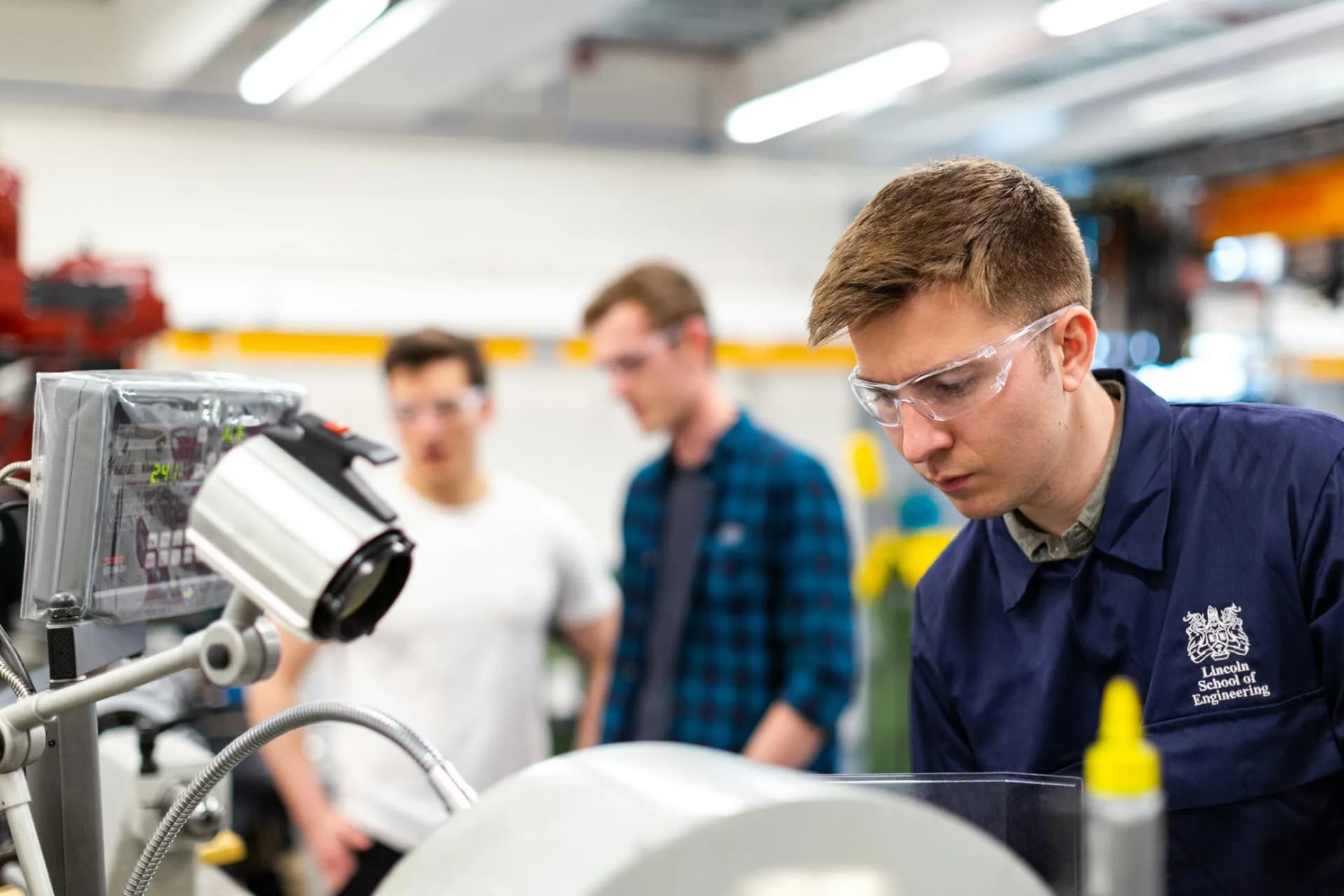
Illustration by NexusIT Creative Studio
Remote and hybrid work models have moved from temporary solutions to permanent strategies for many organizations. Technology plays a critical role in enabling collaboration, productivity, and employee engagement.
Modern collaboration tools are evolving beyond video calls to support asynchronous work, knowledge sharing, and digital culture.
Key Technologies Driving Remote Work
Cloud-based collaboration platforms, secure access solutions, and AI-powered productivity tools are redefining how teams work together.
- Virtual collaboration and communication tools
- Secure remote access and identity management
- AI-assisted productivity and workflow tools
Benefits for Organizations
Distributed work models enable access to global talent, increased flexibility, and improved work-life balance for employees.
Organizations that invest in the right technology can maintain strong culture and performance regardless of location.
Looking Ahead
The future of work will continue to evolve as technology advances. Organizations that adapt early will be better equipped to attract talent and remain competitive.
About the author
Laura Bennett, Workplace Innovation Lead
Sarah is a lead strategist at NexusIT, focusing on the intersection of artificial intelligence and operational efficiency.